
Here is a lovely write-up on Accent Walls and Statement Ceilings: Adding Drama to Your Space.

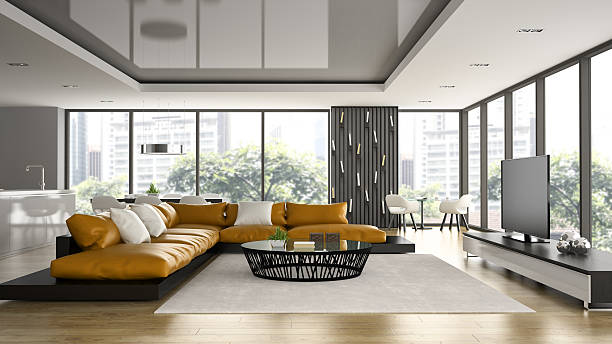
Accent wall design and ceiling decoration offer powerful ways to introduce depth, personality and drama without extensive remodeling. A painted wall in a rich hue, or a mural behind a focal point, captures the eye and invites conversation. Up above, a coffered ceiling, painted pattern or metallic finish can elevate a room’s stature and make it feel curated. Designers often pair accent walls with statement ceilings to strike visual balance and highlight architectural details.
Whether you prefer bold colors, textured surfaces, subtle neutrals or artistic flair, both techniques work in harmony with many styles—from modern minimalism to maximalist luxury. These elements encourage creativity while remaining accessible to DIY enthusiasts or professionals. Enhancing your room with accent walls or statement ceilings can deliver drama and cohesion without sacrificing comfort or functionality.
Accent Walls That Make a Statement
Choosing the Perfect Wall
Select a wall that naturally draws attention—behind a sofa, bed or entryway—so the accent feels intentional. That guiding wall becomes the anchor for furniture placement and decorative focus.
Color Choices That Stand Out
Rich jewel tones like deep teal, emerald or burnt orange immediately add warmth and personality. For neutrality with impact, try charcoal grey or navy. Light pastel hues can soften the mood while still providing contrast.
Texture and Surface Treatments
Textured finishes like brick veneer, shiplap, stone tile or wood paneling bring visual weight and tactile appeal. Wallpaper with embossed pattern or linen-like texture can also elevate the surface while adding visual interest.
Bold Patterns and Murals
Graphic geometric designs or large-scale botanical murals create immersive visual effects. Hand-painted landscapes or cityscapes offer personal storytelling elements. Keep scale in mind so the pattern doesn’t overwhelm smaller rooms.
Statement Ceilings That Command Attention
When Color Becomes Dramatic
Painting the ceiling in a bold shade—like deep navy, forest green or rose gold metallic—can visually lower or warm a room, creating intimacy. Mint or pale blue can make ceilings feel higher and airy. Metallic sheens reflect light and add glam.
Architectural Details Add Depth
Coffered or tray ceilings introduce depth and formality. Exposed beams or decorative molding enhance a sense of grandeur. These architectural touches anchor lighting fixtures and frame the space elegantly.
Ceiling Murals and Artistic Installations
A custom mural—sky, galaxy or abstract—adds wonder above your head. Stenciled motifs or even gold leaf detailing give a luxurious touch. Fabric drapery or textured wallpaper on the ceiling introduces softness and dimension.
Textures Above Your Head
Wood plank ceilings, tin tiles or wallpaper patterns on ceiling planes create a tactile visual feast. These finishes invite closer inspection and enrich the overall room ambiance.
Harmonizing Accent Walls with Statement Ceilings
Complementary Color Pairings
Pair a bold accent wall with a lighter or complementary ceiling color. A deep emerald wall works beautifully with a warm metallic or soft blush ceiling. Tie ceiling accents—like molding or tray interiors—to the wall color for cohesion.
Balanced Scale and Weight
If the wall treatment is bold, keep ceiling design simpler to avoid visual clutter. Conversely, if the ceiling features intricate details or strong color, tone down wall treatments for harmony. Both elements together can frame the room effectively when balanced.
Coordinated Materials and Finishes
Using wood trims or metallic paint elements in both wall and ceiling treatments can unify the space. For example, matching gold accents or wood grains produce a flow across differing surfaces.
Project Tips for DIY or Hiring a Pro
Plan and Test Before Committing
Paint swatches or surface samples help visualize how a wall or ceiling will look in different light. Test small patches to observe hue and sheen before full application.
Choose Appropriate Materials
Wall paint must be durable for focal areas. Ceilings require flat or matte finishes to reduce glare. Specialty wallpapers and panels often need moisture-resistant adhesive and prime surfaces first.
Work with Lighting
Accent walls look richer under directional or wall-washing lighting. Ceilings gain dimension from pendant fixtures or recessed lights highlighting architectural detail. Layered lighting ties accent and ceiling treatment together.
Know When to Hire Experts
Textured finishes, complex moldings or custom murals may need professional installers. Structural elements like beams and plasterwork require skilled handling to ensure safety and lasting results.
Benefits of Accent Walls and Statement Ceilings
Boost Property Appeal
Unique visual features can enhance resale or rental value by making a space feel designer-crafted and memorable.
Add Personality without Full Renovation
Significant visual impact is possible without removing walls or changing layouts. These focal treatments work within existing structures.
Defining Spaces in Open Plans
Accent walls and ceiling features help delineate functional zones—like living, dining or office areas—without physical dividers.
Mood and Atmosphere Enhancement
Dark ceilings foster coziness. Textured accent walls impart warmth or sophistication. Light ceilings lift energy. The combination influences how one feels in the space.
Maintaining Accent Walls and Statement Ceilings
Cleaning and Touch‑Ups
Painted surfaces can be gently wiped. Wallpaper seams may need occasional smoothing. Ceilings with decorative finishes require careful dusting and spot repair.
Protecting Finishes
Use smooth rollers or special brushes for textured finishes to reduce damage. Avoid harsh cleaning products on metallic or mural surfaces. Repaint or touch areas following manufacturer guidelines.
Updating with Style
A statement wall painted a year ago can be updated by adding new trim or changing its color. Ceilings can be refreshed with new murals or lighting enhancements without full replacement.
Conclusion
Accent walls and statement ceilings offer powerful ways to elevate your interior design with minimal structural change. They allow personal expression, architectural emphasis, and visual drama even in modest spaces. Combined thoughtfully, they define zones, reflect style and transform rooms into showcases.
In rooms across the USA, UK, Canada and Australia, homeowners are embracing bold treatments to stand out and reflect individual tastes. From rich painted walls to dramatic ceiling murals, these focal design elements deliver high impact without overwhelming the sense of comfort. Vision paired with restraint is the key to success.
A well chosen accent wall or statement ceiling becomes a statement of artistry. It can anchor furniture, complement décor and create an immersive environment in everyday living spaces. When both elements are in balance, your home begins to feel curated, inviting and deeply personal.
FAQs on How to Elevate Your Living Space with Accent Walls and Statement Ceilings
1. What is the difference between an accent wall and a statement ceiling, and how do they impact a room’s overall look?
An accent wall is a single wall painted or designed differently from the others in a room to create a focal point, while a statement ceiling draws the eye upward with unique colors, patterns, textures, or lighting. Both design choices are impactful, but they serve slightly different purposes. Accent walls ground the room, adding depth and visual interest without overwhelming the space. Statement ceilings, on the other hand, elevate the design by adding drama and sophistication where it's least expected. Used correctly, these elements can break monotony, highlight architectural features, and completely change how a space feels—making small rooms appear larger and dull rooms feel vibrant.
2. What are the best materials and finishes to use for creating a standout accent wall?
Accent walls offer endless design possibilities depending on the desired mood, style, and function of the space. Common materials include paint, wallpaper, wood paneling, reclaimed wood, shiplap, stone veneer, and textured tiles. For a modern look, high-gloss paint or metallic finishes add sleekness and reflect light beautifully. For a cozy or rustic feel, exposed brick or reclaimed wood brings warmth and character. Wallpaper with bold patterns, geometric shapes, or botanical designs creates an artistic flair. The key is to choose materials and finishes that complement your existing decor while making a bold statement. The finish should balance the room’s color palette and lighting for optimal effect.
3. How do you choose the right wall or ceiling to turn into a focal point?
Choosing the right location for your accent wall or statement ceiling is crucial to achieving the desired impact. For accent walls, opt for the first wall your eyes land on when entering the room—typically behind the bed in a bedroom, the TV or fireplace wall in a living room, or a dining room wall with open space. Avoid walls that are interrupted by windows or doors unless those elements add to the design. When considering a statement ceiling, look at rooms with adequate height, like living rooms, entryways, or master bedrooms. High ceilings offer more flexibility for color, texture, and lighting installations. The space should feel balanced, not top-heavy or cluttered.
4. Can I incorporate both an accent wall and a statement ceiling in the same room without making it look overwhelming?
Yes, combining both can create a high-impact and designer-level space—if done thoughtfully. The trick is to maintain harmony in color, texture, and style between the two elements. If you go bold with your ceiling, keep the accent wall subtler, and vice versa. For example, a ceiling with soft wooden beams or a tray ceiling with ambient lighting can complement a bold accent wall in deep navy or emerald green. Balance is key. Use neutral or minimalist decor elsewhere in the room to allow both features to shine without competing. If done right, combining the two adds layered dimension and a sophisticated edge to your interior.
5. What are some beginner-friendly tips for DIY accent walls and statement ceilings?
For homeowners new to DIY, start simple. Painting an accent wall with a bold color is the easiest and most affordable option. Use painter’s tape for clean edges and test paint samples before committing. Peel-and-stick wallpaper is another beginner-friendly solution—it’s easy to apply, reposition, and remove. For ceilings, consider paint as your first experiment, or install lightweight ceiling medallions and decorative molding for a classic touch. Always prep surfaces properly, measure carefully, and use a level to maintain symmetry. Focus on one project at a time, and don’t rush the process. Gradual updates allow you to learn and build confidence with each improvement.

COMMENTS